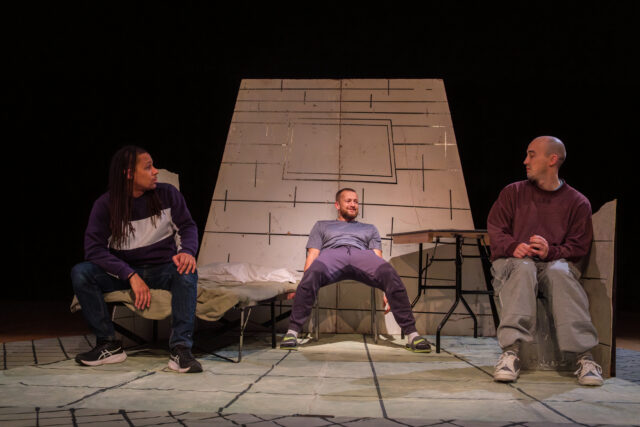
Much of our work in criminal justice settings involves working directly with people who have committed offences or supporting staff teams. In early 2026, however, we were invited to do something a little different: to run a session in an Approved Premises PIPE (Psychologically Informed Planned Environment) with a completely mixed group of six staff and six residents.
Bringing both groups together created a rare opportunity to explore relationships, communication, and shared experience in a more equal and collaborative space. Here are some reflections on what emerged.
1. Relational practice at the centre – PIPEs are grounded in relational practice, and this session provided a space where formal roles became less rigid. With everyone positioned as participants rather than staff or residents, people shared more openly and connected more authentically—laying the groundwork for mutual trust.
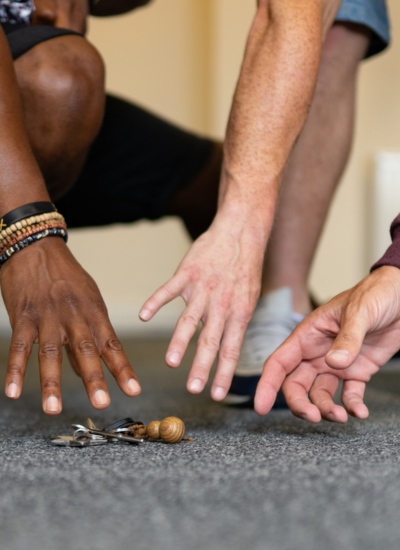
2. Seeing each other differently – A collaborative juggling task quickly levelled the field. The group’s success depended on equal contribution, which meant hierarchy faded into the background. Participants found themselves working side by side with a shared goal, prompting shifts in perception and encouraging mutual respect.
3. Perspective‑taking across roles – The mixed group created opportunities for insight. Residents gained a better understanding of the pressures staff face, while staff heard more about life experiences—often involving trauma or instability—that shape residents’ responses. These exchanges supported deeper empathy and more nuanced understanding.
4. A growing sense of community – As the group collaborated, we noticed a shift in atmosphere. The space felt less divided and more shared, with people listening, contributing, and supporting one another. This sense of collective ownership strengthens the community within the AP and encourages more positive day‑to‑day interactions. Residents and staff both said it helped them focus on the ‘humanness’ of the work; the necessity of boundaries and enforcement in risk management settings, alongside essential connection and authenticity required for rehabilitation.
5. Communication without barriers – The activities encouraged respectful communication, active listening, and constructive dialogue. Staff modelled helpful approaches while residents practised new ways of expressing themselves. This kind of shared experience helps reduce “us and them” divides and supports a calmer, more relational culture.
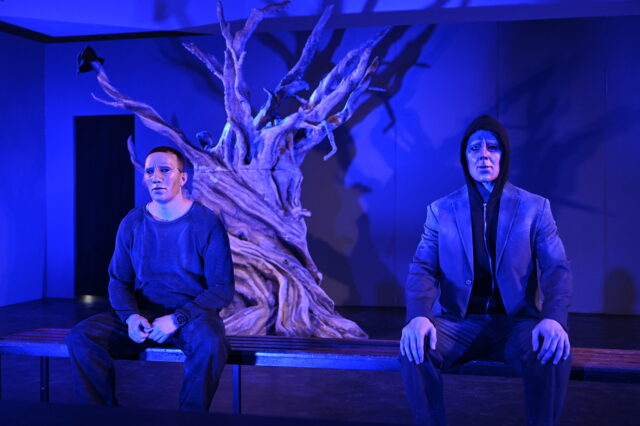
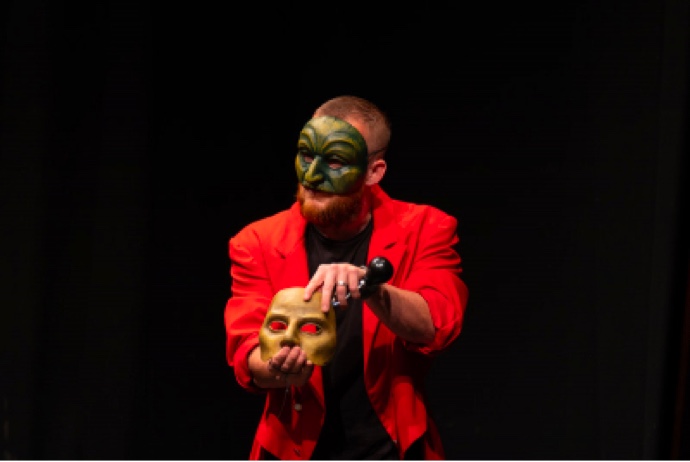
6. A shared audience experience: performance as a mirror – One of the most significant moments came when everyone watched a short performance together as one audience. Sitting side by side—not in role-defined positions—changed the energy in the room. The fictional character’s struggles with the pressures of AP life provided a safe, neutral reference point. People could explore behaviours, emotions, and system pressures without anyone feeling personally exposed. The discussion that followed was rich and honest, with staff and residents reflecting together on how environment, expectation, and communication shape behaviour. Performance created a shared, reflective moment where people could think aloud, challenge assumptions, and connect through interpretation rather than identity.
“The Geese facilitators were an excellent team, facilitating opportunities for playfulness, meaningful conversation and thought. They brought both AP team members and residents together in a very human way, and it was universally received as a positive and thought provoking workshop in terms of breaking down barriers, broadening communication and being curious about what lies behind behaviours on both sides of the staff/resident dynamic.“
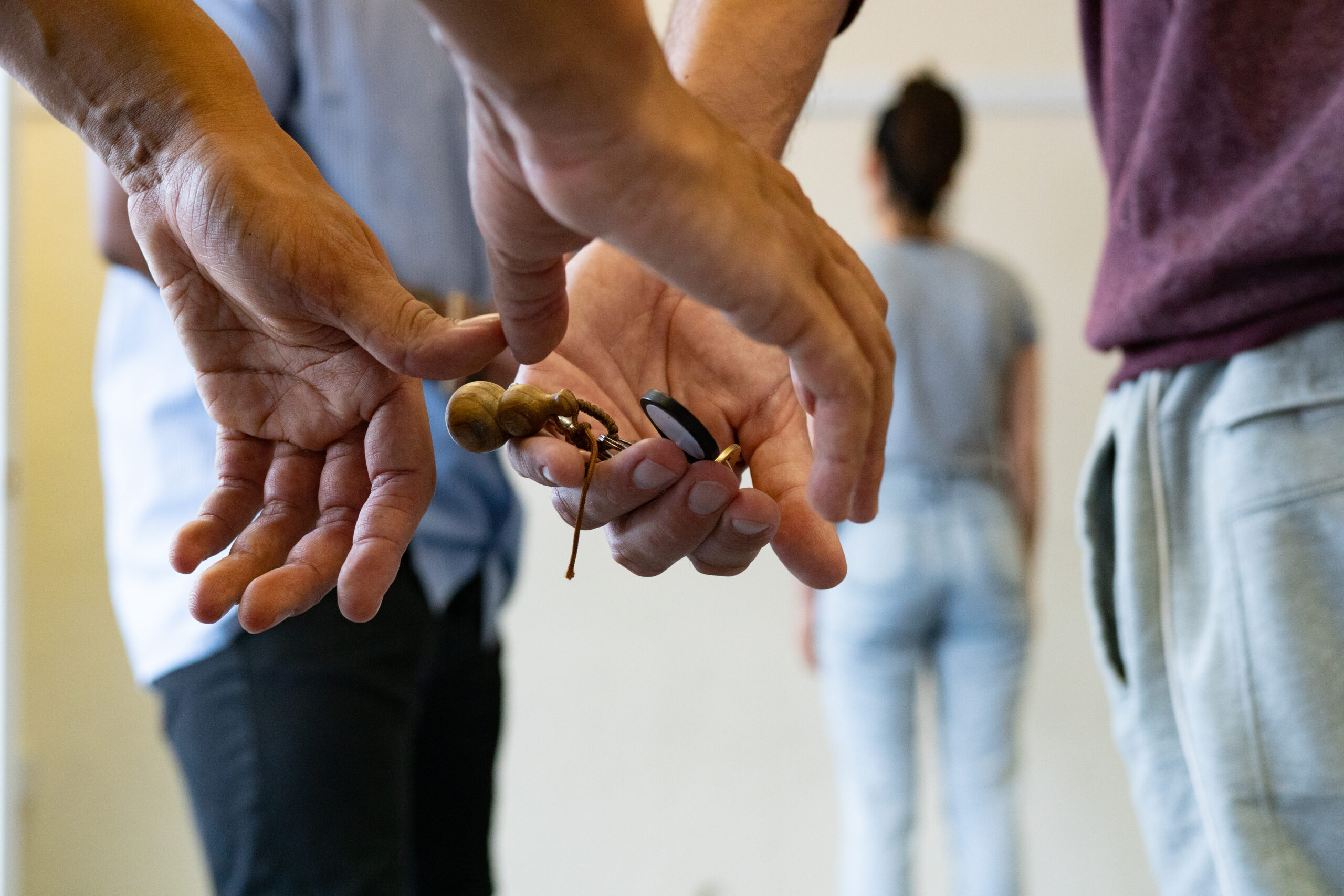
Working with a mixed group in a PIPE setting reinforced the value of shared experiences. When openness, curiosity, and collaboration guide the room, relationships strengthen, communication improves, and a more supportive community can take shape—creating conditions where change becomes possible.
If you work in a criminal justice setting and want to explore creative, relational approaches to strengthening connection, trust, and community, we’d love to talk. Whether through a workshop, staff development session, or longer‑term programme, Geese can help enhance relationships and culture within your service.